.png)
What to Do in the First 48 Hours After Hail Damage to Your Roof
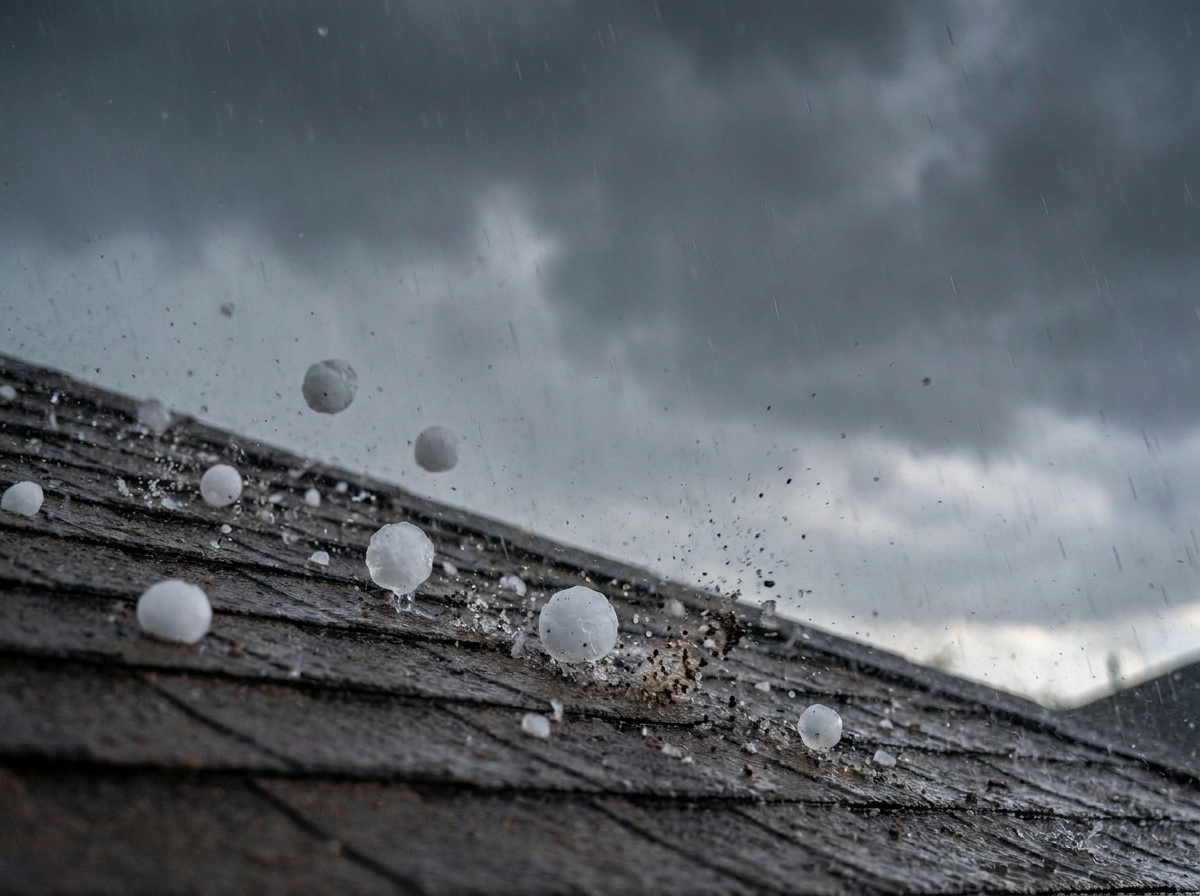
San Antonio gets hit by hail more than most cities in the country. When a storm rolls through, the window between the event and your next steps matters more than most homeowners realize.
Here's what to do — and what not to do — in the first 48 hours after hail hits your roof.
Hour 1: Stay Safe and Do a Ground-Level Assessment
Before anything else, wait for the storm to fully pass. Once it's safe to go outside, walk around your property and look for visible signs of damage from the ground:
- Dented gutters or downspouts
- Damaged window screens or sills
- Dents in AC units, vents, or metal flashing
- Shingle granules washed into gutters or pooled near downspouts
- Any visible missing or displaced shingles
Take photos of everything you see — including your yard, vehicles, and any exterior surfaces. These photos are timestamped and tied to the storm date. They become part of your documentation if you file a claim.
Do not get on the roof yourself. Wet roofs after hail are slippery, and you don't know what structural damage may have occurred.
Hours 1–6: Check Your Interior for Immediate Damage
Go through your attic if accessible. Look for:
- Water intrusion or wet insulation
- Daylight coming through the decking
- Any signs of active leaking
Check ceilings throughout your home for water stains or soft spots. Hail rarely causes immediate interior leaks on its own, but if your roof already had vulnerabilities, a storm can open them up fast.
If you find active leaking, place buckets and call a roofing contractor immediately for emergency tarping. Most San Antonio roofing companies offer emergency response after major hail events.
Hours 6–24: Call a Reputable Local Roofing Contractor
This is the most important step and the one where homeowners most commonly make mistakes.
After a significant hail event, your neighborhood will be visited by out-of-town storm chasers — contractors who follow hail events city to city, sign as many homeowners as quickly as possible, and move on. They often pressure you to sign before you've had time to think.
Do not sign anything with a contractor you don't know before getting a proper inspection from a local company.
Instead, call a local roofing contractor you can verify — check their Google reviews, confirm they have a local address, and make sure they're licensed in Texas. Ask for a free inspection with a written damage report.
A proper inspection should include:
- Measurement of hail strike density across all roof sections
- Documentation of impact marks on shingles, ridge cap, and pipe boots
- Photos of all affected areas
- Written findings you can submit to your insurance company
Hours 24–48: File Your Insurance Claim
Once you have a professional damage report in hand, contact your homeowner's insurance company to open a claim. You'll need:
- Your policy number
- The date of the storm
- A description of the damage
- Your contractor's inspection report (if you have it)
Opening the claim promptly creates a clear record tying the damage to the storm event. Waiting weeks or months can give insurance companies grounds to question whether the damage is storm-related.
In Texas, your insurance company must acknowledge your claim within 15 days and make a decision within 15 business days of receiving all documentation.
What Not to Do in the First 48 Hours
Don't sign an Assignment of Benefits. Some contractors ask homeowners to sign over their insurance claim rights. This is rarely in your interest. Keep control of your own claim.
Don't let a contractor start work before your claim is approved. Completing work before an adjuster inspects the roof can complicate your claim.
Don't ignore the damage if your roof looks fine from the ground. Hail damage to asphalt shingles is often invisible from street level. Granule loss, bruising, and cracked shingles require an up-close inspection to identify. Undetected damage leads to accelerated aging and eventual leaks — sometimes years later.
Don't assume you don't have a claim. Even a roof that looks intact may have enough hail damage to qualify for a full replacement under your policy. A professional inspection costs you nothing and gives you accurate information.
How to Know If Your Roof Has Hail Damage
Professional inspectors look for specific indicators on each roofing material:
Asphalt shingles:
- Random impact marks (not in a pattern)
- Exposed fiberglass mat where granules were knocked loose
- Soft spots or bruising when pressed (like a bruise on an apple)
- Cracked or fractured shingles
Metal components (flashing, vents, gutters):
- Circular dents from hail impact — these are the clearest evidence of hail size and density
Soft metals (gutters, AC fins):
- Denting pattern consistent with hail size
The presence of hail damage on soft metal surfaces is often the most reliable indicator that your shingles took meaningful impact as well.
After the First 48 Hours
Once your claim is open and an adjuster is scheduled:
- Request to be present during the adjuster's inspection
- Have your roofing contractor there as well
- Don't make any permanent repairs until after the adjuster has inspected
- Temporary protective measures (tarping over active leaks) are appropriate and expected
The claims process from this point typically takes 2–6 weeks. Stay in contact with your contractor and your insurance company, respond promptly to documentation requests, and keep records of every communication.
Frequently Asked Questions
How large does hail need to be to damage a roof?One inch diameter hail (about the size of a quarter) is generally considered the threshold for causing meaningful damage to asphalt shingles. Hail smaller than that may still damage soft metals and gutters. Hail size, density, and wind direction all affect the outcome.
My neighbor got a new roof after the last storm. Should I get an inspection?Yes. Hail damage is not uniform across a neighborhood. Whether your roof was affected depends on your home's orientation, roof age, and the storm's path. An inspection will tell you definitively what's there.
How long do I have to file a hail damage claim in Texas?Texas law gives you two years from the date of loss to file a claim, but your individual policy may have shorter deadlines. File as promptly as possible and review your policy terms.
What if my roof was already older before the hail event?Insurance covers storm damage regardless of roof age, but older roofs may be paid at actual cash value rather than full replacement cost. Your policy's depreciation schedule determines this. A contractor familiar with insurance claims can help you understand what to expect.
RedTail Roofing responds to hail events throughout San Antonio and surrounding South Texas communities. We provide free, detailed inspections with written damage reports — no pressure, no obligation. If hail hit your neighborhood, call us before signing anything.
Schedule a Free Roof Inspection

